Fourth pottery fingerprint belonged to an adult male
Examination of a fourth fingerprint found on pottery sherds from the Ness of Brodgar suggests it was left by an adult male.
The analysis by Professor Kent Fowler, the director… Read more


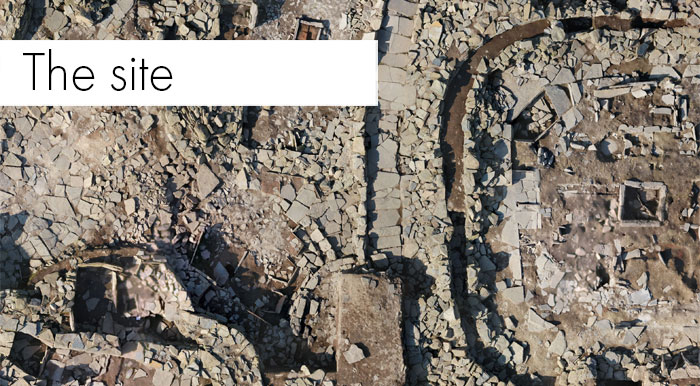
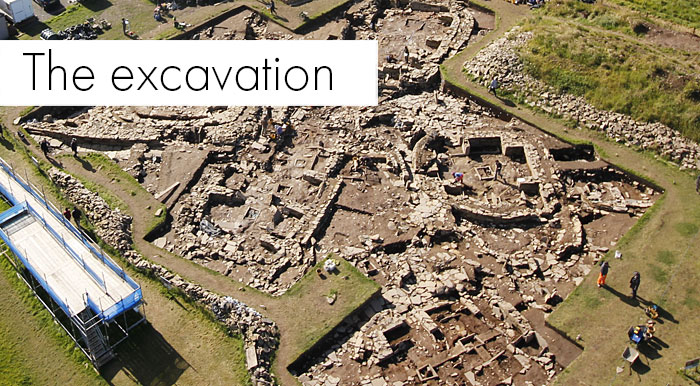
From 2004, 20 years of excavation on the Ness of Brodgar revealed a huge complex of monumental Neolithic buildings from the centuries around 3000BC.
Without parallel in Atlantic Europe, the site’s three hectares are filled with huge stone structures containing spectacular finds.
These made the Ness one of the most important archaeological sites in the world today, changing our understanding of Neolithic Orkney and shining a new light on the prehistory of northern Europe.
Fieldwork ended in 2024 and the focus is now on the post-excavation analysis of the data gathered. This will lead to full publication with much more available online.
In addition, we will continue working with local communities and schools to develop educational and other resources.
The project is mainly funded through the generosity of the public through our two supporting charities, the Ness of Brodgar Trust and the American Friends.