
Book review: Elements of Architecture

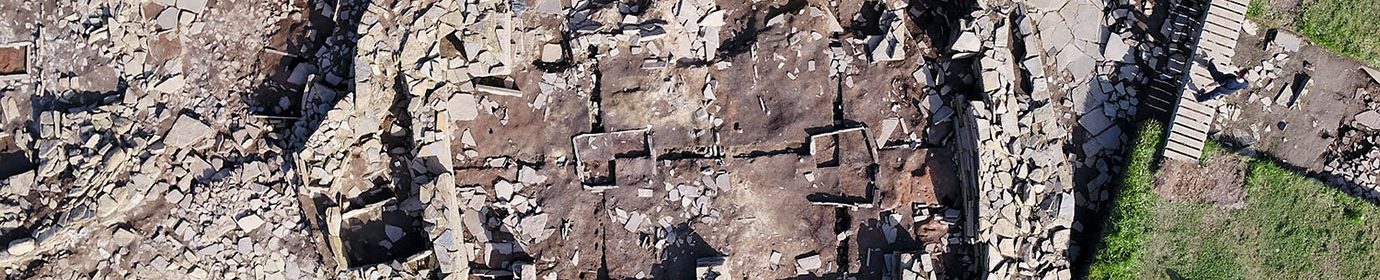
The incredible Neolithic complex at the Ness of Brodgar is the archaeological gift that just keeps on giving. It has totally revolutionised our understanding of life during the Neolithic period, not just in Orkney but much further afield. It has exploded some long-held beliefs and made us rethink how society was structured around 5,000 years ago.
Despite the amazing number of artefacts that have been uncovered during twenty years of excavation, it is the structures themselves that have revolutionised our perception of our ancestors.

If you were one of the tens of thousands of visitors to the site you would have seen a bewildering array of buildings, spanning many centuries of activity. Many were built over the remains of earlier ones, ranging from modest, domestic type houses to huge halls, capable of holding a great number of people. But how can the archaeologists go about unpicking the site and understanding what the buildings were used for and in what sequence. It is by no means a straightforward process and far from being easy.
The Ness of Brodgar team have bravely taken on this massive challenge and have created a book aimed at everyone, bringing the latest findings to the public at large.
The second book in a planned series, Ness of Brodgar: Elements of Architecture focuses on the buildings themselves. How were they constructed? What problems did the builders face? Why build on the Ness in the first place and when did it all start? All of these things are looked at and told in a lively text that draws the reader in, regardless of their experience of archaeology.
Other topics are also covered, like how people sourced the stone for building these impressive structures and why they used slates for the roofing material. Until the discovery of slates in some of the collapsed buildings at the Ness it was believed that all roofs from this period were of thatch and turf. But what were the implications of using roofs weighing several tons on the walls that supported them.
Timber also played an important part in the construction of these huge buildings, but where did it come from? The complex systems of drains under and around buildings showed a desire to manage the flow of water that ran down those roofs. Paving also preventing pathways from becoming quagmires. Why were some buildings deliberately pulled down, and why were past structures remembered and partially preserved, despite creating an unstable surface to build on?
Feasting seems to have played an important role at the Ness, as seen by the size and sheer number of hearths that have been discovered. Sometimes only a small fire burned in the corner of the hearth, on days when there were no large gatherings. At other times a mighty blaze greeted those who entered a large hall to attend a feast, when food was cooked in huge quantities.

There is one thing that stands out quite clearly, the Ness of Brodgar was built to impress. Imagine seeing those stone roofs from a distance, especially if it had been raining and the sun was shining on their glistening surfaces. Many people would have never seen a slate roof before and would have been amazed at the sight. There is nothing quite like this site anywhere else, it is unique and speaks of a time when Orkney was at the heart of Neolithic society and spirituality.
This lavishly illustrated book gives us a glimpse into what has so far been discovered, in advance of a major archaeological report at the end of the post-excavation period. It is also worth mentioning that by buying this book you are helping to fund that ongoing work. With plans for Time Team to carry out a small excavation in 2026, the Ness of Brodgar still has plenty of secrets to yield, secrets that will be told in other books in this series.
Tom Muir
Ness of Brodgar: Elements of Architecture is available in softback (£20) and limited-edition hardback (£30). All proceeds go towards the ongoing Ness of Brodgar project.


